

After the Crate Opens: What the 9th CIIE Says About Machining
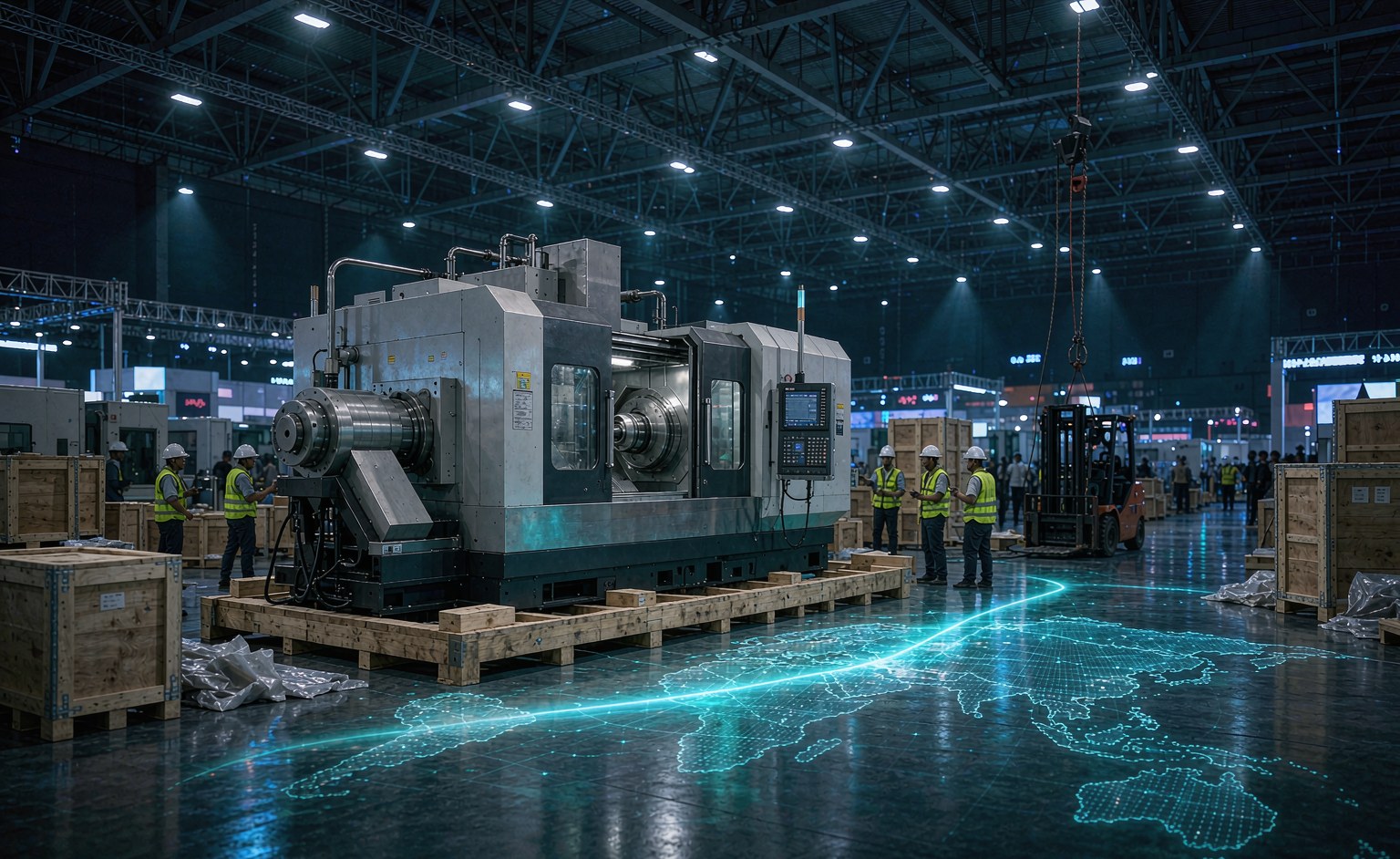
Figure 1. Asia debut: the kind of equipment that arrives by container ship, not by courier.
In brief — The 9th China International Import Expo runs from 5 to 10 November 2026 at the National Exhibition and Convention Center in Shanghai. Among the first exhibits to arrive is a mill-turn machining centre that left Austria in three containers and spent more than a month at sea. It says more about what machining shops are paying for right now than any industry report.
1. Thirty-Four Days and Three Containers
On 12 October, Shanghai Customs supervised the arrival of the first batch of exhibits for the 9th China International Import Expo. Among them was something that does not travel easily: a WFL M35-G mill-turn machining centre, shipped from WFL Millturn Technologies in Linz, Austria.
It had left the factory on 7 August. Road to Hamburg, then sea to Shanghai. Three containers, a little over a month on the water. The machine is 9.1 metres long, 4.7 metres wide and 3.3 metres high, and it holds tolerances at the micron level.
This is WFL's first time at the expo, in a year that marks 55 years of diplomatic relations between China and Austria. The company has worked the Chinese market for more than 20 years, and its representatives have described the show as a way to reach customers across the wider Asia-Pacific region. Across this edition, more than 480 items are making a global, Asian or China debut, a record for the event.
2. What the Equipment Hall Is Really Selling
The equipment halls cover digital industrial automation, integrated circuits, artificial intelligence, new materials, and energy, low-carbon and environmental technologies. Notice what is no longer the headline: the cutting itself.
Demand has moved. Aerospace, new energy vehicles, precision machinery and AI hardware all need complex parts finished in one setup rather than five. Hence the appeal of "complete machining" — turning, milling, drilling, grinding and measuring on a single machine, with fewer re-fixturing steps and more consistent accuracy.
So the question facing anyone walking these halls is not whether a machine can hit a tolerance. It can, and the spec sheet will prove it. The question is what the machine looks like in month fourteen.
3. The Blind Spot
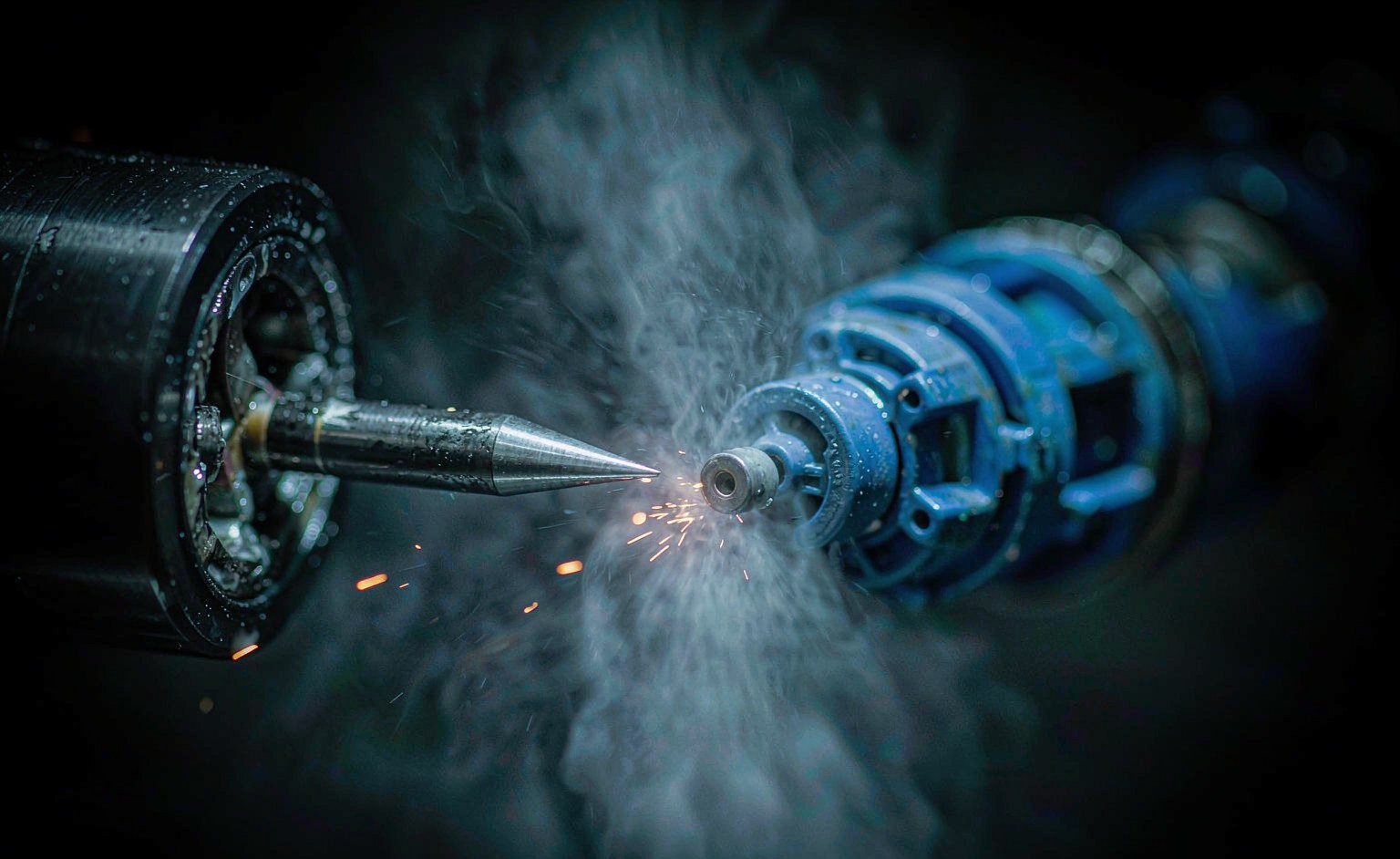
Figure 2. The nozzle, the deburring blade and the clamp decide whether a micron-accurate machine makes parts or scrap.
Capital expenditure is where attention goes. Consumables, clamps, coolant delivery, deburring, extraction and measurement are where the unplanned downtime comes from, and they rarely appear in the purchase discussion.
This layer has a supply problem of its own: it is spread across a dozen brands, each with its own lead time and its own certificate. One Shanghai-based procurement specialist, ELINK (Shanghai) Industrial & Trade Ltd., has worked in exactly that gap since 2009, supplying authorised LOC-LINE modular coolant hose, NOGA deburring and holding systems, KOPAL and KURT workholding, Filtermist oil mist extraction, and QUICK fume extraction and soldering equipment. It is ISO 9001 certified, holds a general goods import and export licence, and runs on an under-24-hour dispatch standard with 99% shipping accuracy and more than 1,000 order lines handled daily.
None of that is headline material at an import expo. All of it determines whether the headline machine runs.
4. What to Check Before Signing
| Check | Why it matters | What to ask for |
|---|---|---|
| Consumable and spare lead time | Uptime is decided here, not in the spindle | Written lead time commitment for the first 24 months |
| Documentation | Customs delays erase the business case | HS codes, certificates of origin, bilingual datasheets |
| Part authenticity | A counterfeit hose or clamp destroys tolerance | Brand authorization letters, traceable batch records |
| Service across time zones | Response time is downtime | Named contact and a response SLA on your clock |
Figure 3. Four questions that cost nothing at the booth and a great deal afterwards.
The eighth edition, held in November 2025, drew 4,108 exhibitors from 138 countries and regions across more than 367,000 square metres, with intended turnover of 83.49 billion US dollars, up 4.4 percent year on year. Scale is not the problem. Depth of supply is.
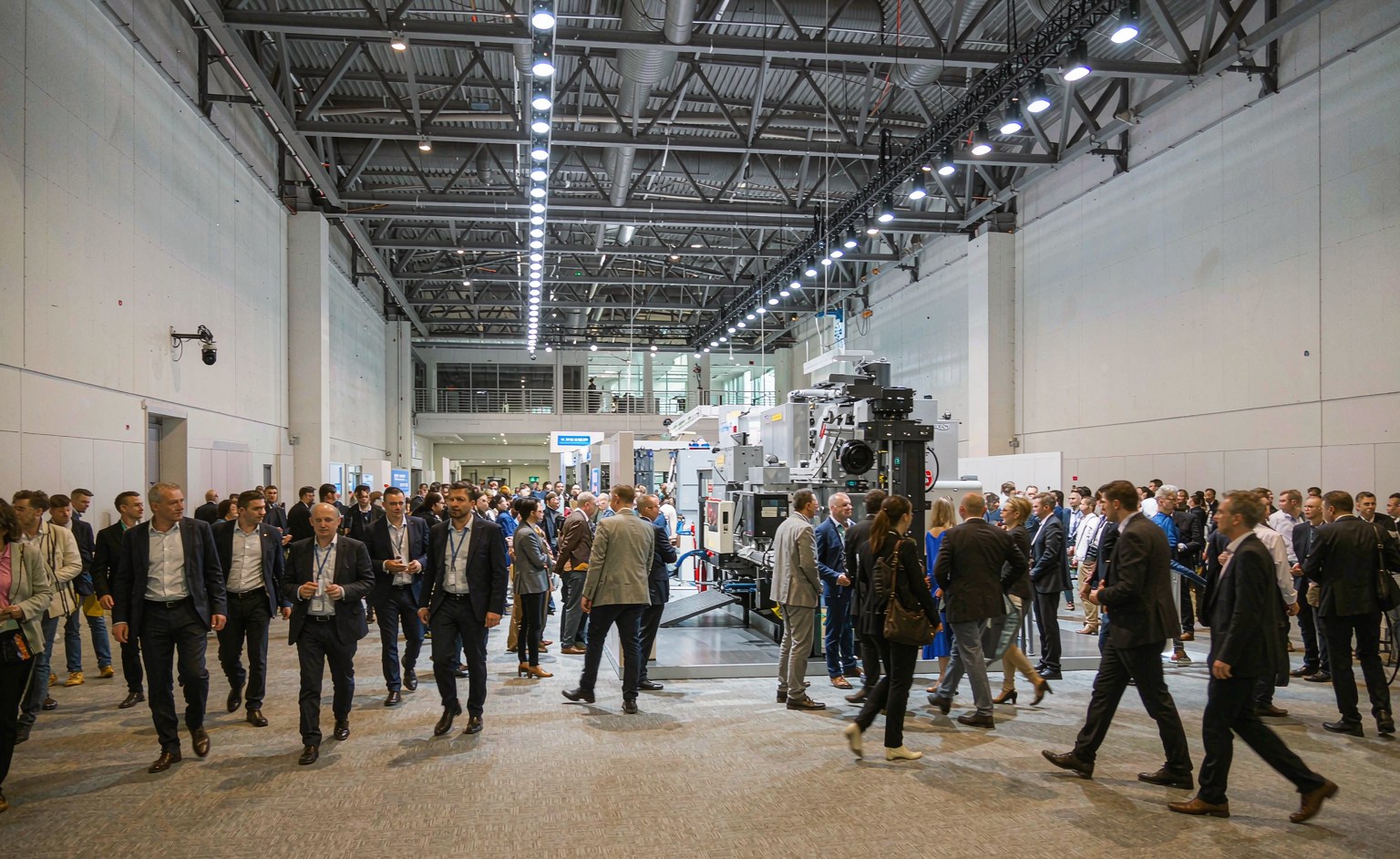
Figure 4. 4,108 exhibitors, 138 countries and regions: the eighth edition set the scale baseline.
5. Outlook
The interesting part of an import expo is what happens after it closes. Chinese manufacturers now run plants in Vietnam, Thailand, Mexico and Hungary, and they want the same clamp, the same hose and the same datasheet in Monterrey as in Suzhou. Foreign brands want access to a supply base that is already inside the world's largest manufacturing cluster.
Both sides are asking for the same thing: one order, one invoice, one accountable partner, and a landed cost known before the purchase order rather than after it. That is the gap the Global MRO Supply program at ELINK was built to close, extending a domestic operation to five regions on the same operating standard.
The machines will get the attention this week, as they should. The supply chain behind them decides what the investment was worth.
Figure 5. After the show: what decides the return on the investment.
Sources: CIIE official website (9th edition, 5-10 November 2026, National Exhibition and Convention Center, Shanghai); Xinhua and CCTV reports on the WFL M35-G debut and 8th-edition figures. | ELINK (Shanghai) Industrial & Trade Ltd. - one-stop MRO supply. Contact: art@elinkmro.com | +86-21-5017-0881