

How to Buy Indirect Materials from China: A Practical Playbook
Coolant hoses, clamps, deburring blades, filters, gauges, workholding — indirect materials never appear on a bill of materials, yet they decide whether production runs tomorrow. Cheap one by one, brutal in aggregate. This piece is about where the real effort belongs when buying them from China.
The €40 clamp problem
A €40 clamp can stop a €400,000 machining centre. Nobody builds a procurement strategy around that — but it happens, and the machine does not care whose fault it is.
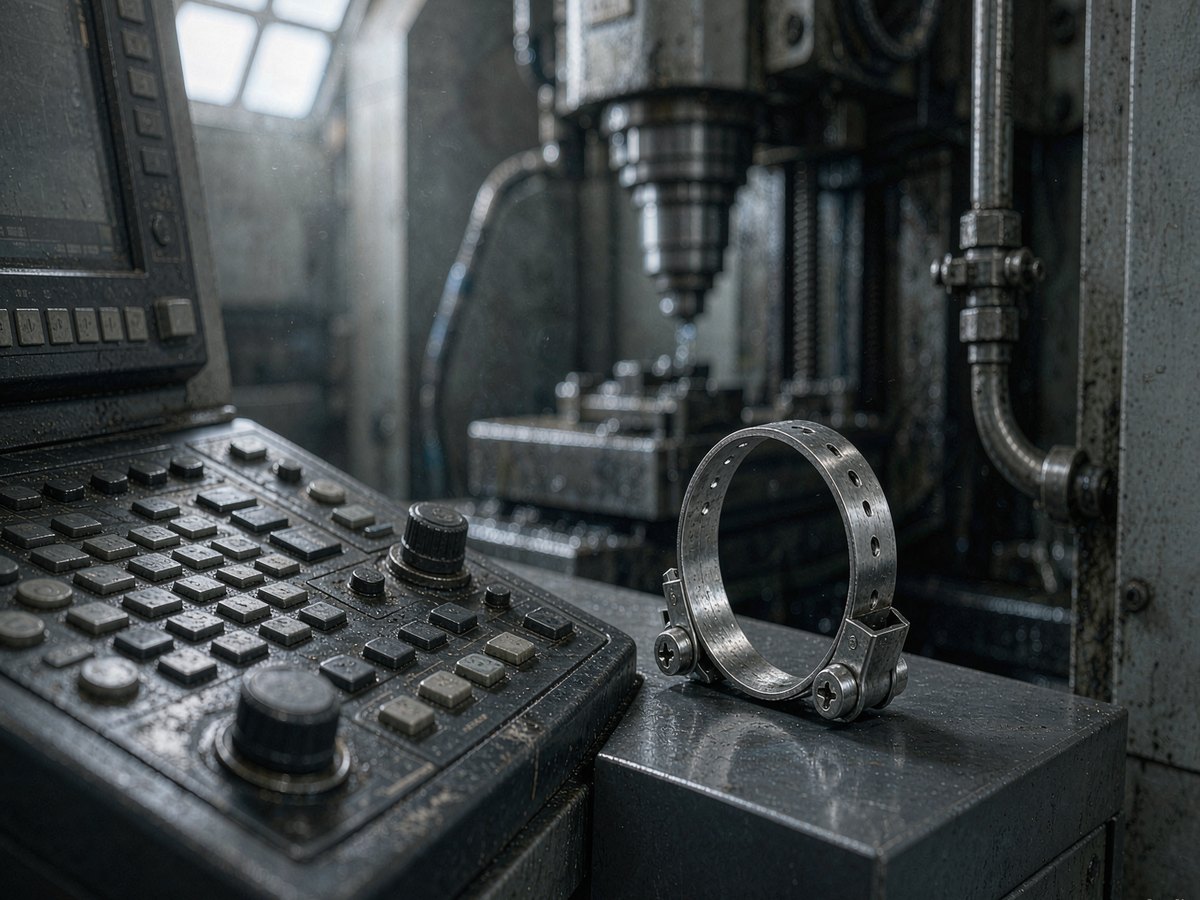
The playbook most buyers use — find the factory, negotiate hard, place the order — works for production parts. For indirect materials it quietly fails, and the reason is not price.
Why "go direct" breaks down
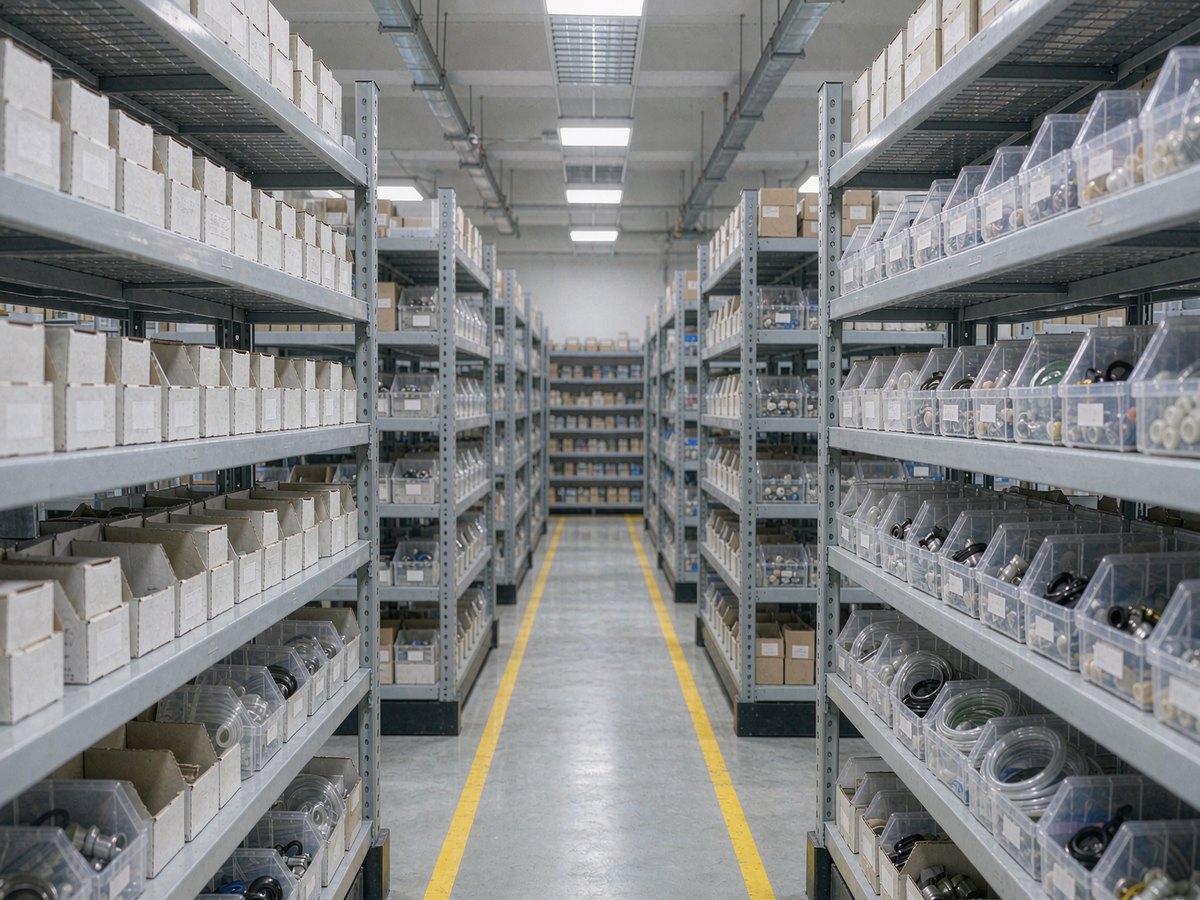
Twenty line items a month across twenty suppliers means twenty POs, twenty invoices, twenty freight charges, twenty sets of customs paperwork and twenty lead times to chase. The unit price looks excellent on the report; the invoices that follow never make it into the same spreadsheet.
20 POs · 20 invoices
20 freight charges · 20 customs doc sets
20 lead times to chase
Great unit price; hidden costs never enter the sheet
1 PO · 1 invoice
1 consolidated shipment · 1 doc set
1 lead-time checkpoint
Freight and handling diluted; negotiation is quoted per shipment
This is not a sourcing problem. It is a consolidation problem — and solving it first changes every number downstream.
Consolidate first, negotiate second
Put multiple brands and categories onto one purchase order before discussing price. One PO, one invoice, one consolidated shipment. Freight and handling on twenty small cross-border orders usually cost more than the discount being chased — and a steady monthly order doubles as a forecast, which is what earns allocation when a part gets tight.
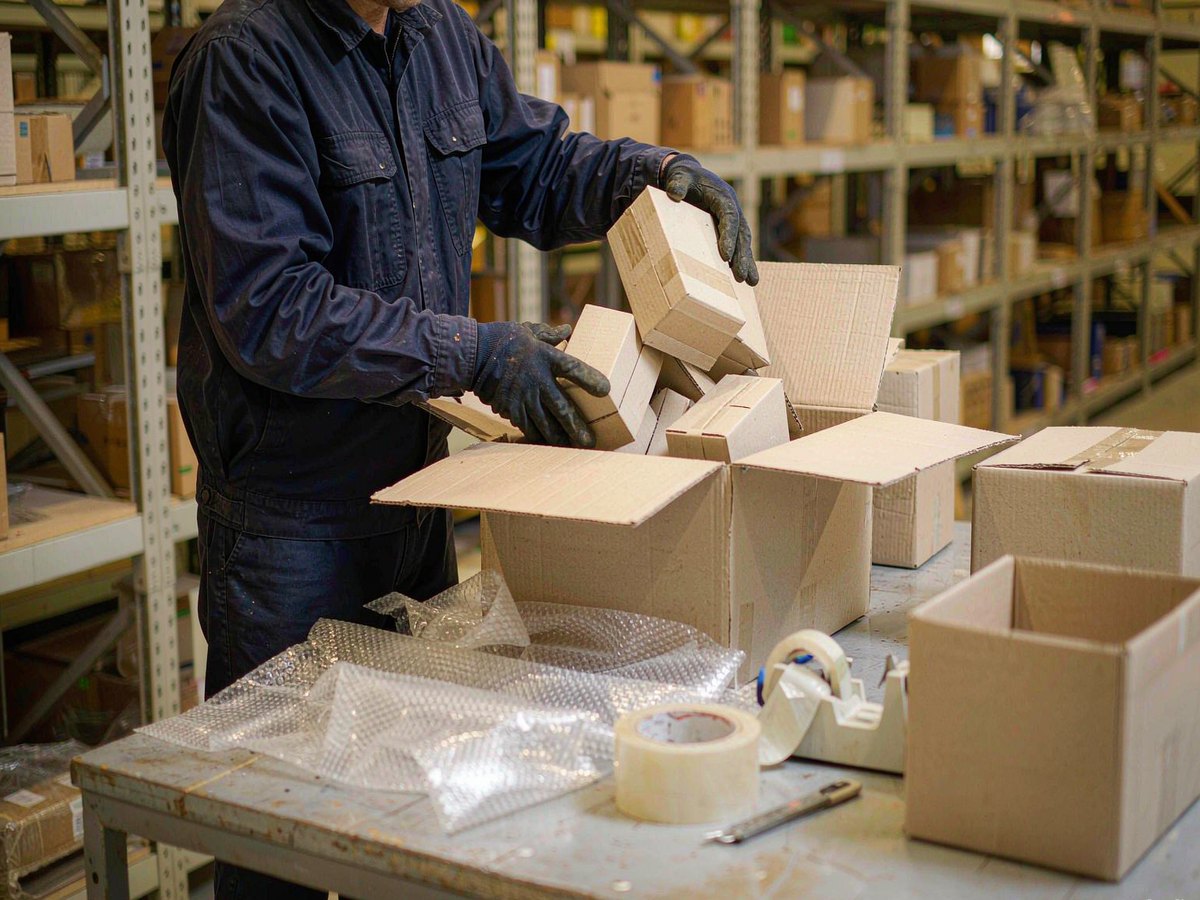
Landed cost before the PO, paperwork with the goods
Ask for freight, duty, handling and currency in the quote — not in the reconciliation three weeks later. If a supplier cannot produce a landed figure before you commit, they have not built a cross-border process.
HS codes, certificates of origin, brand authorization letters and bilingual datasheets should arrive with the shipment. Indirect materials are also where counterfeits enter a supply chain most easily — nobody audits a €40 line item.
Test the boring metric
Do not ask whether a supplier is "reliable". Ask for two numbers: dispatch time and shipping accuracy — with the methodology and the volume behind them. This is where a specialist distributor earns its keep: Shanghai-based ELINK has spent 17 years on this layer alone, as authorised distributor for LOC-LINE, NOGA, KOPAL, KURT, Filtermist, QUICK, MicroLoc, LEF and more, ISO 9001 certified, with its own import/export licence and a warehouse built for high-frequency small orders.
The month-fourteen question
Ask what happens in month fourteen, when you need one clamp and there is no container going out. Look for scheduled consolidation, a named contact in your time zone, and eventually local stock.
Buy the process, not the part.
Note: the "€40 clamp / €400,000 machine" figure is a rhetorical example; images are illustrative, not photographs of actual operations.